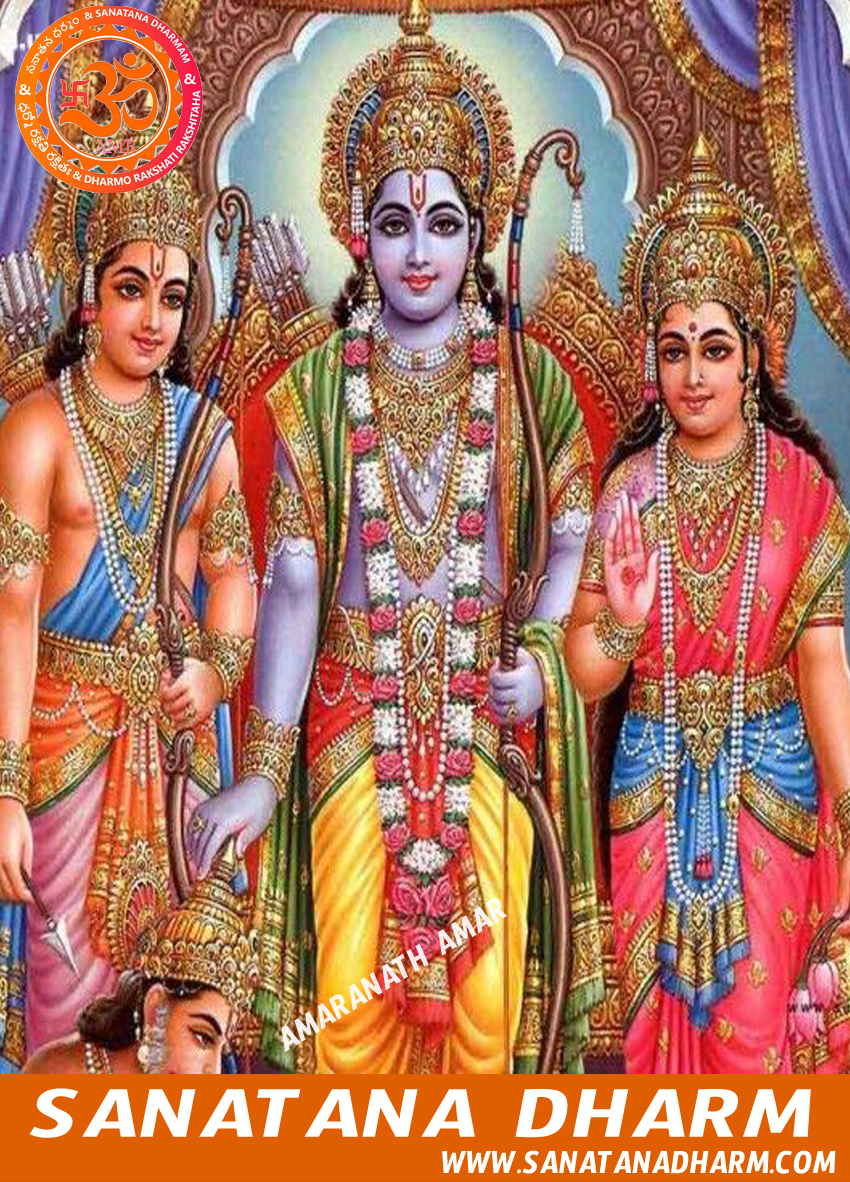
Rama and Lakshmana along with Seetha gave away abundant riches to brahmanas and went along with Seetha to see their father.
सीता के साथ राघव (राम) ने ब्राह्मणों को बहुत धन दिया और फिर वे सीता के साथ अपने पिता से मिलने गए।
Those weapons held by Rama and Lakshmana were tied on with garlands by Seetha. The weapons thus decorated were shining brilliantly and were fearful to look at.
तब दुष्प्रेक्ष्य (कठिनता से देखे जाने योग्य) उन आयुधों को ग्रहण करने पर, मालाओं से सुशोभित और सीता द्वारा अलंकृत होने पर वे (राम और लक्ष्मण) शोभायमान हुए।
Ayodhya Kanda – Sarga 33 · v3
ततः प्रासाद हर्म्याणि विमान शिखराणि च |
अधिरुह्य जनः श्रीमान् उदासीनो व्यलोकयत् || २-३३-३
Then, wealthy people ascended lofty palatial mansions, large buildings and tops of palaces of seven stories high and saw them spiritlessly,
तब वह धनी व्यक्ति महल की छतों और विमानों की चोटियों पर चढ़कर उदास मन से चारों ओर देखने लगा।
Ayodhya Kanda – Sarga 33 · v4
न हि रथ्याः स्म शक्यन्ते गन्तुम् बहु जन आकुलाः |
आरुह्य तस्मात् प्रासादान् दीनाः पश्यन्ति राघवम् || २-३३-४
The streets were indeed difficult to walk, congested as they were, with many men. For that reason, being in distress, they were seeing Rama by ascending lofty palatial buildings.
यहाँ श्लोक का सरल हिंदी अनुवाद दिया गया है: क्योंकि भीड़भाड़ वाली सड़कों पर चलना संभव नहीं है, इसलिए वे महलों पर चढ़कर दीनतापूर्वक राघव को देखते हैं।
Then, by seeing Rama as a pedestrian without an umbrella, the people with their hearts struck by grief were uttering words of many sorts.
जब राम को पदाति (पैदल सैनिक) और रथों से रहित देखा, तो दुखी मन वाले लोगों ने तरह-तरह की बातें कहीं।
The same Sri Rama who was followed by a strong four wings of army(comprising elephants, chariots, cavalry and infantry), is walking lonely with Seetha followed by Lakshmana.
Ayodhya Kanda – Sarga 33 · v7
ऐश्वर्यस्य रसज्ञः सन् कामिनाम् चैव कामदः |
न इच्चति एव अनृतम् कर्तुम् पितरम् धर्म गौरवात् || २-३३-७
Rama knew the taste of sovereignty. He can grant desires to the desirous. Even then, because of his respect for virtue, he is careful not to believe his father's words.
यह श्लोक कहता है कि जो व्यक्ति ऐश्वर्य का आनंद लेना जानता है और कामुक इच्छाओं को पूरा करने में सक्षम है, वह भी धर्म के प्रति अपने सम्मान के कारण कभी झूठ नहीं बोलता। वह अपने पिता के सम्मान की रक्षा के लिए भी असत्य का मार्ग नहीं अपनाता।
Ayodhya Kanda – Sarga 33 · v8
या न शक्या पुरा द्रष्टुम् भूतैः आकाशगैः अपि |
ताम् अद्य सीताम् पश्यन्ति राज मार्ग गता जनाः || २-३३-८
Even people walking on road are able to see Seetha, who could not earlier be seen even by beings going through the air.
जो सीता पहले आकाश में विचरण करने वाले देवताओं द्वारा भी देखी नहीं जा सकती थीं, आज राज मार्ग पर चलने वाले लोग उन्हें देख रहे हैं।
Ayodhya Kanda – Sarga 33 · v9
अङ्ग राग उचिताम् सीताम् रक्त चन्दन सेविनीम् |
वर्षम् उष्णम् च शीतम् च नेष्यति आशु विवर्णताम् || २-३३-९
Rain, heat and cold will quickly wane to pallor Seetha, who was fond of applying suitable cosmetics and red sandal to the body.
सीता, जिसे अंगराग (शरीर पर लेप) और रक्त चंदन प्रिय है, वह शीघ्र ही इस ग्रीष्म ऋतु के ताप और शीत को सहन न कर पाने के कारण विवर्ण (फीकी या मलिन) हो जाएगी।
Ayodhya Kanda – Sarga 33 · v10
अद्य नूनम् दशरथः सत्त्वम् आविश्य भाषते |
न हि राजा प्रियम् पुत्रम् विवासयितुम् अर्हति || २-३३-१०
आज राजा दशरथ निश्चय ही किसी विशेष बल से युक्त होकर बोल रहे हैं। क्योंकि कोई भी राजा अपने प्रिय पुत्र को वनवास नहीं दे सकता।
How banishment can be affected on a son, even devoid of virtues? Why to tell further of whom, this world is conquered merely by his mode of conduct?
निर्गुण पुत्र को भी घर से निकालना कठिन है, तो फिर उस व्यक्ति को कैसे निकाला जा सकता है जिसने केवल अपने आचरण से ही इस संसार को जीत लिया है।
Harmlessness, compassion, learning, good nature, self-control and tranquillity - these six virtues adorn Rama, the best of men.
यह श्लोक बताता है कि करुणा, दया, ज्ञान, सदाचार, आत्म-संयम और मन की शांति जैसे छह गुण उत्तम पुरुष श्री राम की शोभा बढ़ाते हैं। ये गुण उन्हें और भी महान बनाते हैं।
Therefore, people are extremely painful for the injury done to him, as aquatic beings in summer are afflicted because of depletion of water.
उस राजा के विनाश से प्रजा अत्यंत पीड़ित हो गई, जैसे गर्मी में पानी की कमी से जलीय जीव कष्ट पाते हैं।
The entire world feels afflicted by the hardship inflicted on this protector of the world, as a tree which acquired flowers and fruits is damaged by injury caused to its root.
हे जगत् के स्वामी, जैसे जड़ को चोट लगने पर वृक्ष पुष्प और फल से रहित हो जाता है, वैसे ही आपके कष्ट से यह सारा संसार पीड़ित है।
Ayodhya Kanda – Sarga 33 · v15
मूलं ह्येष मनुष्याणाम् धर्मसारो महाद्युतिः |
पुष्पम् फलम् च पत्रम् च शाखाश्चा स्येतरे जनाः || २-३३-१५
This Rama, the essence of virtue possessing great lustre, is indeed the root of the tree of humanity. Other men are his flowers, fruits and branches.
यह श्लोक कहता है कि धर्म का सार मनुष्यों का मूल है, और अन्य लोग फूल, फल, पत्ते और शाखाओं के समान हैं। इसका अर्थ है कि धर्म ही मनुष्य का आधार है, और बाकी सब कुछ उसी से उत्पन्न होता है।
We as such along with our wives and relatives atone will follow Rama in the same way as Lakshmana is going with the departing Rama.
हे लक्ष्मण, हम भी शीघ्र ही उन सौतेली माताओं और उनके बंधुओं के साथ उसी दिशा में चलेंगे जिधर श्री राम जा रहे हैं।
Ayodhya Kanda – Sarga 33 · v17
उद्यानानि परित्यज्य क्षेत्राणि च गृहाणि च |
एक दुह्ख सुखा रामम् अनुगच्चाम धार्मिकम् || २-३३-१७
Abandoning gardens fields and houses, we shall follow Rama the righteous man, and share his joys and sorrows.
बगीचों, खेतों और घरों को छोड़कर, हम उस धार्मिक व्यक्ति का अनुसरण करते हैं जो सुख-दुख में समान रहता है।
Ayodhya Kanda – Sarga 33 · v18
समुद्धृत निधानानि परिध्वस्त अजिराणि च |
उपात्त धन धान्यानि हृत साराणि सर्वशः || २-३३-१८
रजसा अभ्यवकीर्णानि परित्यक्तानि दैवतैः |
मूषकैः परिधावद्भिरुद्बिलैरावृतानि च || २-३३-१९
अपेतोदकधूमानि हीनसम्मार्जनानि च |
प्रनष्टबलिकर्मेज्यमन्त्रहोमजपानि च || २-३३-२०
दुष्कालेनेव भग्नानि भिभाजनवन्ति च |
अस्मत् त्यक्तानि वेश्मानि कैकेयी प्रतिपद्यताम् || २-३३-२१
Let Kaikeyi obtain the houses deserted by us, their treasures unearthed, their court-yards in ruined state, their wealth and food grains removed, their best parts robbed off from all sides, covered by dust, deserted by the deities(presiding them), overrun by mice, coming out of their holes and turning round here and there, without water and smoke, upswept, the rises of offering oblations to all creatures as well as the sacred fire, worship of gods, the chanting of sacred texts and muttering of prayers having altogether ceased, as though dilapidated by adverse times and scattered with broken vessels.
यहाँ संस्कृत श्लोक का सरल हिंदी अनुवाद दिया गया है: जिन घरों से खजाने निकाल लिए गए हैं, आँगन उजड़ गए हैं, धन-धान्य छीन लिया गया है और सब कुछ लूट लिया गया है, जहाँ चूहे दौड़ते हैं और बिल बने हुए हैं, जहाँ पानी और धुआँ नहीं है, सफाई नहीं है, पूजा-पाठ और मंत्रोच्चार बंद हो गए हैं, जो अकाल से पीड़ित लगते हैं और टूटे-फूटे हैं, उन हमारे छोड़े हुए घरों को कैकेयी ग्रहण करे।
As Rama is going away to the forest, let that forest become a city and let this city being deserted by us become a forest.
वन ही नगर बन जाए जहाँ राघव जाएँ। और हमारे द्वारा त्यागा गया यह नगर भी वन के समान हो जाए।
Ayodhya Kanda – Sarga 33 · v20
बिलानि दम्ष्ट्रिणः सर्वे सानूनि मृग पक्षिणः |
अस्मत् त्यक्तम् प्रपद्यन्ताम् सेव्यमानम् त्यजन्तु च || २-३३-२३
इति एवम् विविधा वाचो नाना जन समीरिताः |
Scared by fear of us, let all the snakes abandon their holes, the dears and birds the mountain peaks, the elephants and the lions the forest itself. let them leave the region going to be inhabited by us and reach the city of Ayodhya.
यहाँ संस्कृत श्लोक का सरल हिंदी अनुवाद दिया गया है: सभी दाँतों वाले जीव अपने बिलों में चले जाएँ, और हिरण व पक्षी पहाड़ियों पर चढ़ जाएँ। वे उस स्थान को ग्रहण करें जिसे हम छोड़ रहे हैं, और उस स्थान को त्याग दें जिसकी हम सेवा कर रहे हैं। इस प्रकार विभिन्न लोग तरह-तरह की बातें कह रहे थे।
Let Kaikeyi with her son along with her relatives indeed inhabit the region where ferocious animals and vultures live with grass, meat and fruits. Let us all (on the other hand) live happily in the forest along with Rama.
कैकेयी अपने पुत्रों और बंधुओं के साथ, घास, मांस और फल खाने वाले जंगली जानवरों और पक्षियों वाले वन में जाकर श्री राम के साथ निर्भय होकर निवास करें।
Ayodhya Kanda – Sarga 33 · v22
इत्येवम् विविधा वाचो नानाजनसमीरिताः|
शुश्राव रामः श्रुत्वा च न विचक्रे अस्य मानसम् || २-३३-२६
Rama heard various kinds of remarks thus made by many people. Hearing them also, his mind was not disturbed.
इस प्रकार अनेक लोगों द्वारा कही गई विभिन्न प्रकार की बातें राम ने सुनीं, लेकिन उन सबको सुनकर भी उनका मन विचलित नहीं हुआ।
Ayodhya Kanda – Sarga 33 · v23
स तु वेश्म पितुर्दूरा त्कैलासशिखरप्रभम् |
अभिचक्राम धर्मात्मा मत्तमातङ्गविक्रमः || २-३३-२७
That Rama the virtuous man, by walking with strides of an elephant in rut, approached his father's palace, which from a distance glowed like a peak of the Kailasa mountain.
वह धर्मात्मा, मदमस्त हाथी के समान पराक्रमी, अपने पिता के घर से दूर कैलाश पर्वत के शिखर के समान चमकते हुए भवन में प्रवेश कर गया।
After entering the royal palace, which had in it disciplined and valiant attendants, saw Sumantra standing dejected not far from the palace.
विनम्र वीर पुरुष ने राजमहल में प्रवेश करके दूर से ही दीन अवस्था में बैठे सुमंत्र को देखा।
The, Rama even on seeing the people disturbed, appeared unmoved and smiling, intending to fulfill his father's behest and went to see his father.
राम अपने पिता से मिलने की इच्छा से, मानो हँसते हुए, अपने कुल की रक्षा करने के लिए उस समय दुखी न होते हुए, पिता की आज्ञा का विधिपूर्वक पालन करने के लिए चल पड़े।
Ayodhya Kanda – Sarga 33 · v26
तत् पूर्वम् ऐक्ष्वाक सुतः महात्मा |
रामः गमिष्यन् वनम् आर्त रूपम् |
व्यतिष्ठत प्रेक्ष्य तदा सुमन्त्रम् |
पितुर् महात्मा प्रतिहारण अर्थम् || २-३३-३०
Seeing Sumantra appearing disturbed before that, Rama the son of Dasaratha( a scion of Ikshhvaaku) whose mind is mighty and who is setting out to the forest, waited awhile to have his presence announced to his father.
यह श्लोक राजा दशरथ के पुत्र राम के वनगमन के प्रसंग से है। **सरल हिंदी अनुवाद:** वन जाने की तैयारी करते समय, महात्मा राम ने अपने पिता को रोकने के लिए सुमंत्र को देखा।
Ayodhya Kanda – Sarga 33 · v27
पितुर्निदेशेन तु धर्मवत्सलो |
वन प्रवेशे कृत बुद्धि निश्चयः |
स राघवः प्रेक्ष्य सुमन्त्रम् अब्रवीन् |
निवेदयस्व आगमनम् नृपाय मे || २-३३-३१
That Rama, who had passion towards piety, having made up his mind positively to enter the exile as per his father's command, spoke thus, seeing Sumantra, "Inform my arrival to the king."
पिता की आज्ञा का पालन करने वाले धर्मपरायण राम ने वन जाने का निश्चय कर लिया था। उन्होंने सुमंत्र को देखकर राजा दशरथ से कहा कि वे जाकर उन्हें मेरा आगमन सूचित करें।
Ayodhya Kanda – Sarga 33 · v28
इति वाल्मीकि रामायणे आदि काव्ये अयोध्य काण्डे त्रयः त्रिंशः सर्गः
Thus completes 33rd chapter of Ayodhya Kanda in glorious Ramayana, the work of a sage and the oldest epic.
यह वाल्मीकि रामायण के आदि काव्य के अयोध्या कांड का तैंतीसवाँ सर्ग है।